Planning to travel Sarajevo solo? Here’s exactly how to spend 3–4 days exploring Bosnia’s welcoming capital with confidence.
Table of Contents
Fast Facts
Currency: Bosnian Convertible Mark (KM/BAM)
Population: Around 350,000
Founded: Late 15th century (around 1460)
Climate: Warm summers and cold winters, with a moderate spring and autumn
Timezone: Central European Time (CET)
Geography: Located in the Valley of the Miljacka River at the foot of Mt. Trebević.
Intro
Sarajevo is a city like no other. Nestled where the east meets the west, solo travel in Sarajevo offers a unique blend of Ottoman and Austro-Hungarian influences, layered in diverse cultures, religions, and traditions. On one city block alone, you may pass a mosque, Catholic and Orthodox churches, and a synagogue, a rare and powerful symbol of coexistence.
The capital of Bosnia and Herzegovina carries a deeply complex history. It is famously known as the site that sparked WWI, with the assassination of Archduke Franz Ferdinand in 1914. Decades later, Sarajevo hosted the dazzling 1984 Winter Olympics before enduring the longest military siege in modern history in the 1990s. Today, the city symbolizes resilience with its welcoming locals, an incredible food scene, and endless stories waiting to be discovered.
Sarajevo is also an ideal destination for solo female travelers, due to its extremely low crime rate and famously hospitable culture. As someone who first explored the city solo and now calls it home, I confidently say I’ve felt safer walking at night here than in most other European cities.
I’ve created this guide for other female travelers who want to discover Sarajevo the way I have – with confidence, safety, and empathy.
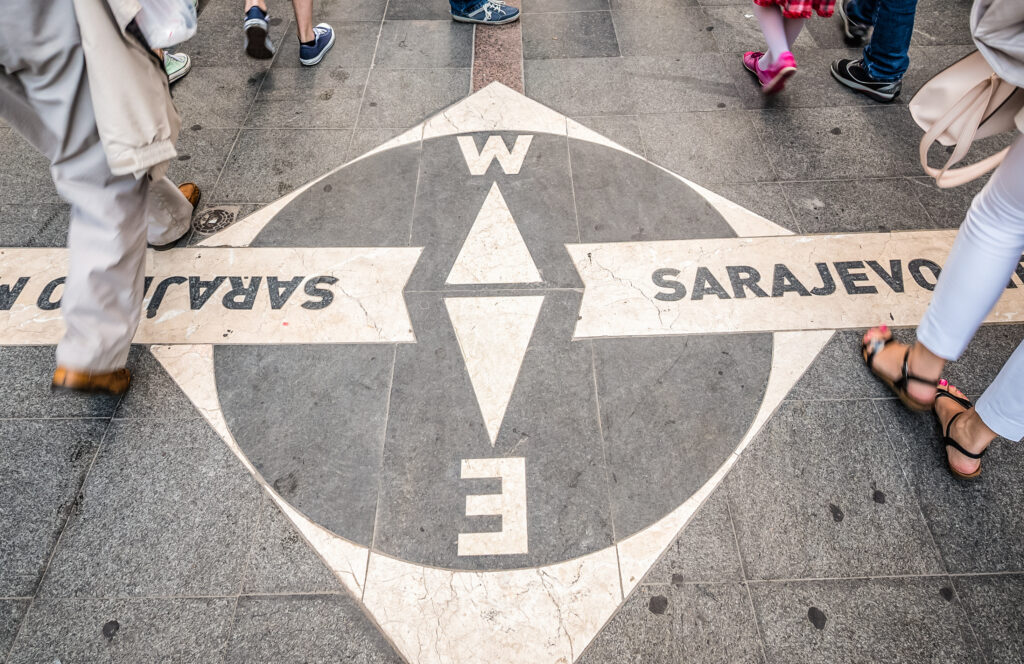
Sarajevo at a Glance
Best Time to Visit
There is no bad time to visit Sarajevo. However, for the best weather, plan your trip for Spring (April-June) and early Autumn (September-October), when temperatures are mild, and you can make the most of your time outside. August can be hot, but it’s an exciting time to visit for movie lovers, as the annual Sarajevo Film Festival takes over the city. Winter travelers can enjoy nearby Olympic ski resorts from January through February.
Ideal Trip Length
I recommend spending three to four days in Sarajevo for a deeper connection and meaningful cultural immersion without feeling rushed. This gives you plenty of time to see the highlights while having space to slow down, relax, and enjoy a few Bosnian coffees along the way.
Solo Safety Rating
Sarajevo has a safety rating of 4.3 out of 5 for female travelers, making it a perfect city to explore solo.
While pickpocketing is possible in popular tourist areas such as Baščaršija, violent crime rates in the center remain very low. Residual landmines from the 1990s war are rare, but it’s still best to avoid abandoned buildings and unmarked hiking trails.
Walkability
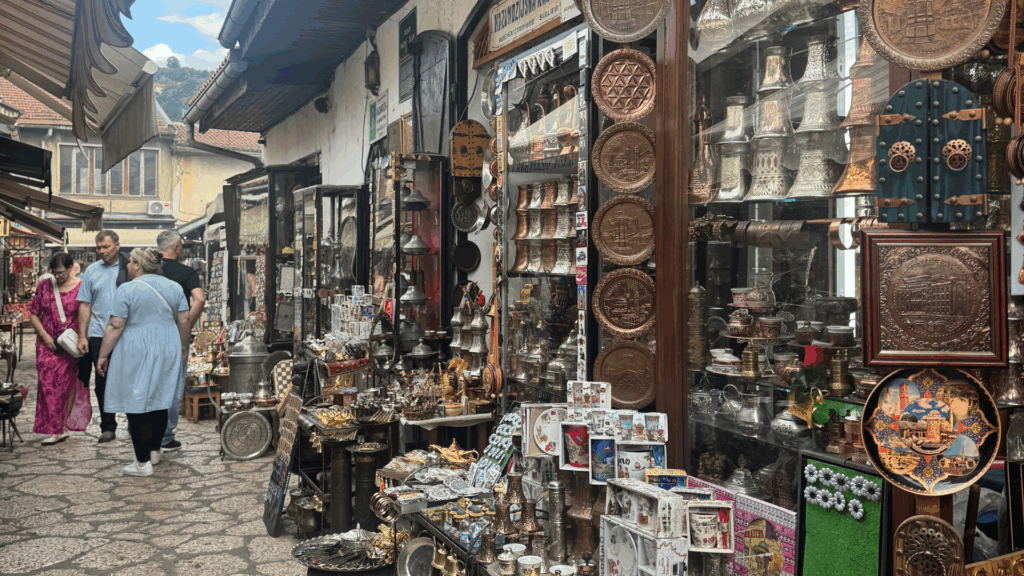
Sarajevo is a compact and extremely walkable city, with most major sites reachable on foot. The Old Town around Baščaršija is a labyrinth of narrow streets ideal for wandering and watching artisans, such as coppersmiths, hard at work. On the Austro-Hungarian side, you’ll find Ferhadija, a wider boulevard lined with shops and cafes.
Outside the center, Wilson’s promenade is a great walking path along the Miljacka River. Beyond the riverbanks, Sarajevo is encapsulated by steep, green hills that frame the city from every angle, ideal for hiking and full of scenic viewpoints, as well as an intense calf workout.
Budget Level
As one of the most affordable cities in Europe, budget-conscious travelers can expect to pay $31-$39 per day, while mid-range stays range from $100-$159 per day. This takes into account accommodation, food, and other activities.
Vibe
The Bosnian way of life is felt throughout Sarajevo’s narrow streets and busy cafes. Known as ćejf, this concept celebrates life’s simple pleasures slowly and mindfully. Sarajevo forces travelers to slow down and take in their surroundings.
Despite its emotional past, hope and resilience are palpable in the air, and history can be found even in the smallest pockets. Locals are warm, welcoming, and social; always ready to help anyone who may need it.
Why Sarajevo is Great for Solo Travel
Sarajevo combines everything solo female travelers look for in a destination, including safety, walkability, affordability, and a friendly, social atmosphere. The city is compact and effortless to navigate, filled with friendly locals and an iconic cafe culture that encourages you to enjoy your own company without feeling out of place. It is the kind of destination that feels both approachable and deeply rewarding to explore on your own terms, whether it’s your first solo trip or your fiftieth.
Itinerary (Days 1-3)
This 3–4 day itinerary is designed to make solo travel in Sarajevo easy, safe, and fun.
Day 1 – Old Town & First Impressions
MORNING
Join a Free Walking Tour
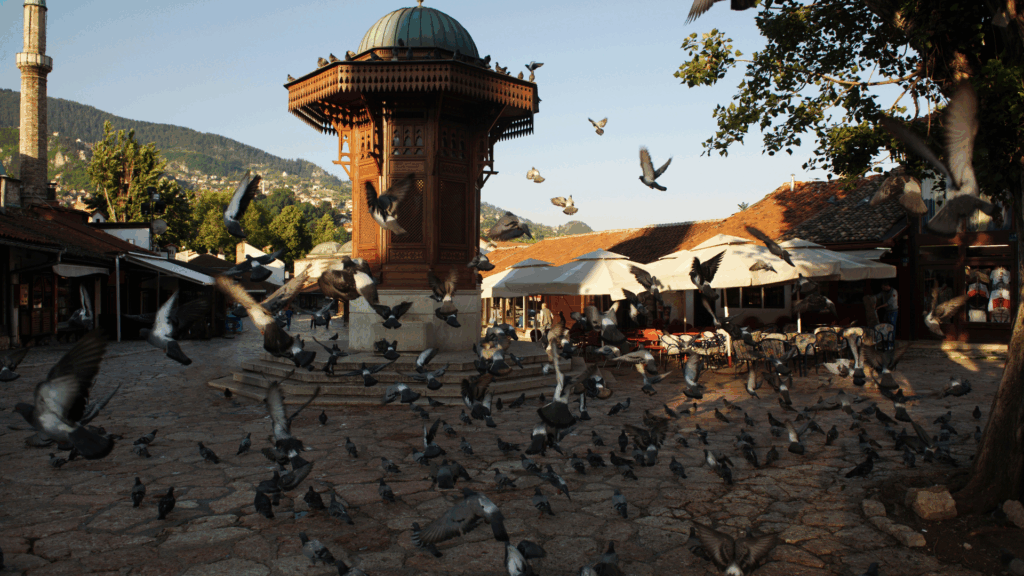
The best way to spend your first morning in Sarajevo is with a walking tour around the Old Town. A tour group called MeetBosnia offers free walking tours every day at 10:30 am to help you orient yourself in Sarajevo, understand the city’s complex history, and get comfortable navigating the center. Tours start at their office, a few streets from Baščaršija’s Sebilj fountain, and last around 2-2.5 hours. In that time, you’ll visit key landmarks, such as the Latin Bridge where Archduke Franz Ferdinand was assassinated, and hear stories of hardship, resilience, and the city’s unique cultural blend.
Free walking tours are especially ideal for solo travelers, since you’ll often meet other visitors right away and gain local insight from your guide.
Coffee Stop in Baščaršija
After the tour, you’ll have the chance to rest and try a traditional Bosnian coffee. Now is the time to experience true Bosnian ‘ćejf’ – slow down, journal, and soak up your first impressions of the city, as well as everything you learned on the tour.
Solo tip: Morning tours are social and relaxed, making them a perfect start to ease into solo travel and settle in. Although the tours are free, show your guide some gratitude with a small tip of 10-20 KM.
AFTERNOON
Lunch in Old Town
Don’t leave Old Town without grabbing a bite of authentic Bosnian cuisine first. This area is home to plenty of lively restaurants frequented by hungry locals, making it the perfect place to enjoy a relaxing meal.
Visit 1 or 2 Museums
Once you’ve refueled, spend a few hours checking out some of Sarajevo’s museums. There are many options close together, so it’s best to stick to two on your first day. Most museums are small and can be visited at your own pace, but they pack a lot of power.
A lot of the subject matter will be heavy, so plan to spend up to 3 hours exploring to avoid being overwhelmed by too much emotion.
Solo tip: Sarajevo museums are easy to explore alone and will give you meaningful context for what you learned on the walking tour.
EVENING
Sunset at the Yellow Fortress
The Yellow Fortress is a very popular and scenic place for tourists and locals to enjoy the sunset. Located 10-15 minutes uphill from Baščaršija, it offers a bit of a workout, made worthwhile by the gorgeous view of Sarajevo’s many minarets, red-tiled rooftops, and surrounding hills.
Solo tip: There is a small cafe at the fortress, so grab a drink, find a seat, and prepare for a beautiful mosaic of colors over the entire city.
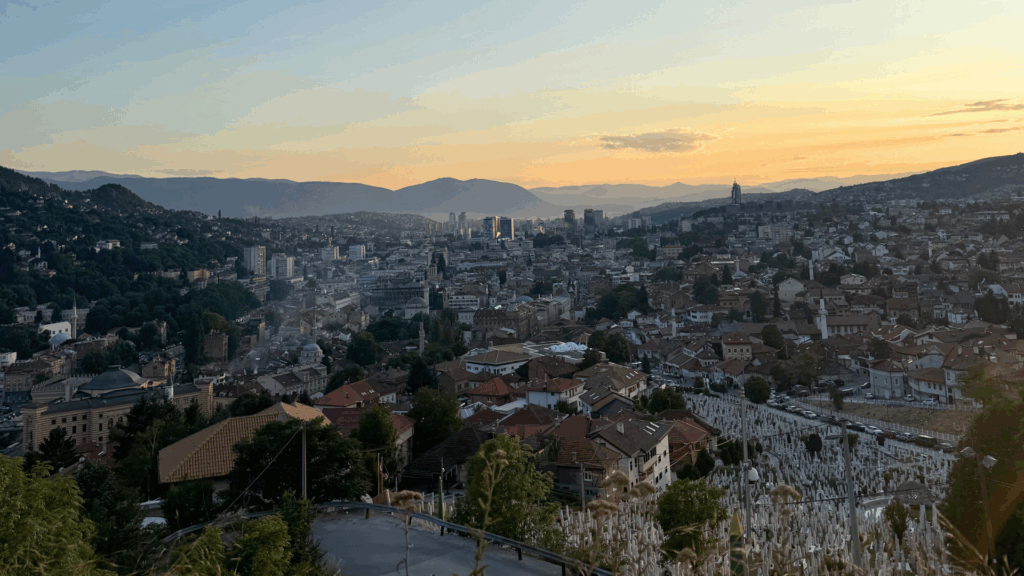
Dinner in Old Town
Once it’s dark, it’s time to head back down towards Baščaršija for dinner. The city comes alive at night, and there is no shortage of places and dishes to try. Grab a local beer or a wine from Herzegovina as you enjoy a traditional Bosnian meal. Afterward, take some time to stroll down the Old Town’s many narrow streets and stop into a cafe for dessert and MORE coffee – you’re in Bosnia & Herzegovina, after all!
Solo tip: Old Town remains busy and well-lit throughout the night, making it safe to explore after dark. If you are a cat lover, it’s likely you’ll spot plenty of friendly cats around the center looking for some pets and a cuddle.
Day 2 – Culture & Local Life
MORNING
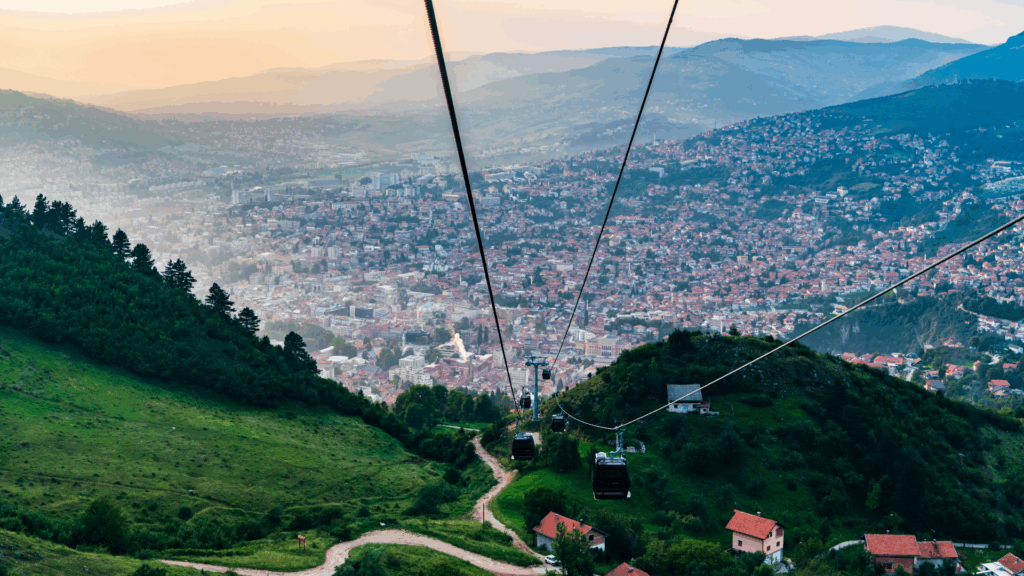
Cable Car and Trebević Mountain
Begin a new day with one of Sarajevo’s must-do attractions: riding the cable car up to Trebević Mountain. The ride takes about 7 minutes and offers incredible views of the city that only get better the higher you go. Once you reach the top, you’ll find plenty of walking trails, panoramic viewpoints, restaurants, and even an alpine coaster. For tourists, a one-way ticket costs 15KM, and a return ticket costs 20KM, but it’s highly recommended that you walk down at your leisure and enjoy Sarajevo’s beautiful nature.
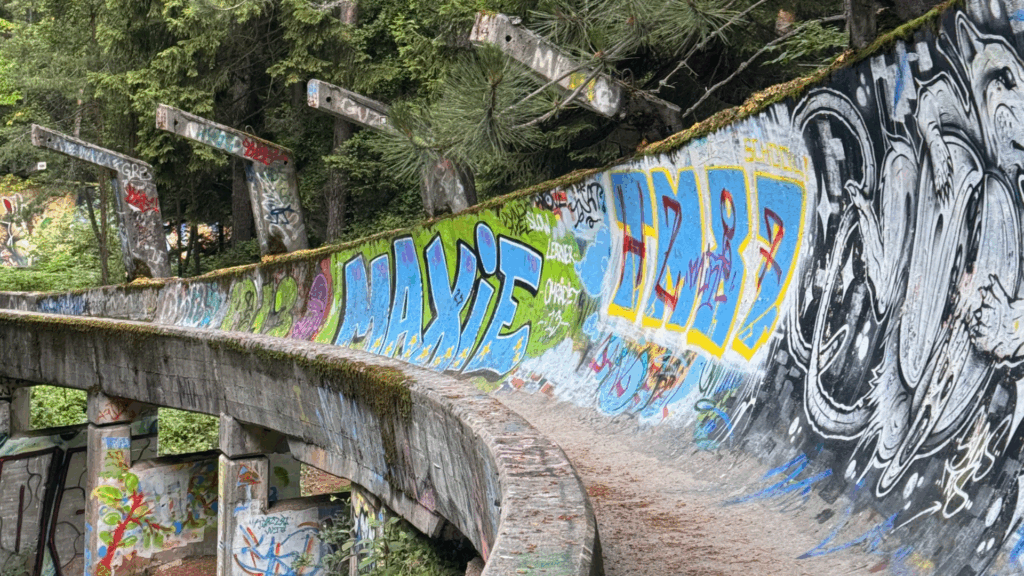
Explore the Abandoned Olympic Bobsled Track
Used in the 1984 Sarajevo Olympics, the Bobsled track weaves through the forest along the mountainside. Today, it is covered in colorful graffiti and is a very unique activity for Sarajevo’s visitors. Allow yourself 1-2 hours to enjoy the views and descend at a comfortable pace.
Solo tip: The bobsled is a very popular attraction, so you are likely to be surrounded by other curious travelers. Make sure to bring comfortable walking shoes, and keep in mind that some areas of the mountain can get very steep.
AFTERNOON
Lunch Near Wilson’s Promenade
Once you return to the city, take the tram or walk toward Wilson’s Promenade for lunch. This tree-lined path becomes a pedestrian walkway on the weekends, when you’ll see locals strolling on their afternoon walks. Here you’ll enjoy riverside views and get a glimpse of everyday life in Sarajevo.
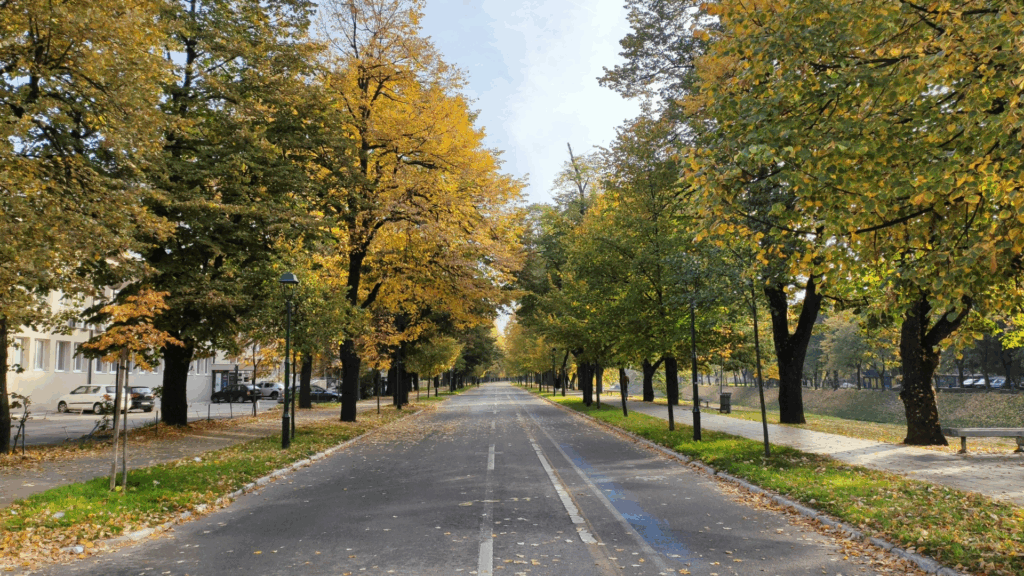
Explore the Promenade
After a busy morning of sightseeing, a relaxing walk along the promenade is the perfect way to slow down. On the way back towards the center, you can pop into the National Museum of Bosnia and Herzegovina. This is the home of the Sarajevo Haggadah, a priceless Jewish text that remarkably survived both the city’s Nazi Occupation and Siege.
If you’re in the mood to shop, you can also visit Sarajevo City Center (SCC) and Alta Shopping Center. Here, you’ll find popular chains like Zara, H&M, and Bershka, as well as stores dedicated to sporting goods and tech.
Now, it’s finally time to head back to your accommodation to rest.
EVENING
Drinks & Dinner in the Austro-Hungarian Quarter
Spend the night around Ferhadija, the city’s lively main street. Here, locals and tourists shuffle into wine bars, dessert cafes, and trendy restaurants.
Dessert & Night Stroll
Indulge in Bosnian Baklava and a late-night coffee before walking it off around the area. If you are feeling up to it after a busy day, you can even head to a bar or two for a nightcap. If you are in Sarajevo on the weekend, you can even visit one of its busy clubs.
Solo tip: Enjoying a coffee while people-watching is a prime activity in Sarajevo. Look out for stylish locals in fashionable outfits. The best part is no one will look at you twice as you sip your coffee solo.
Day 3 – Hidden Gems
MORNING
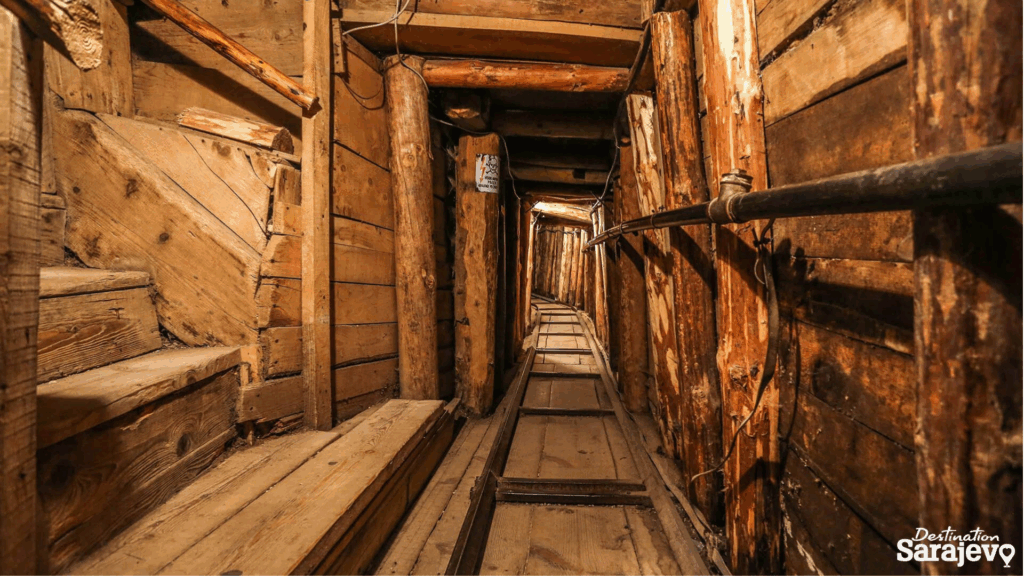
Visit the Tunnel of Hope
Spend your final morning in Sarajevo gaining a better understanding of the Siege of Sarajevo (1992-1996). The Tunnel of Hope is one of the city’s most powerful sites, where civilians carried food and medicine, and locals escaped to free land. Without the tunnel, it’s likely Sarajevo would not have survived until today.
Now, with part of it preserved as a museum, visitors can watch a short film, tour a section, and view wartime artifacts. Allow yourself 1.5 – 2 hours here for a deeply emotional experience.
Solo tip: If you want to visit alone, you can take a taxi or a rideshare. If you are interested in a more formal, informational tour, you can sign up with a company like MeetBosnia.
AFTERNOON
Time for Reflection
Upon reaching the city center, you can stop by a cafe that you like or head up to the White Fortress. Here, you can enjoy another amazing view of the city while you journal and reflect upon all the city has taught you.
Allow for a slow afternoon of wandering and feeling appreciative for the opportunity to visit such a unique and fascinating city.
EVENING
Final Goodbyes
Spend your final evening around Baščaršija, browsing souvenirs, enjoying one last dinner, and of course, ending the night with a coffee before you head off to your next destination the next morning.
Optional: Day Trip on Day 3 or 4
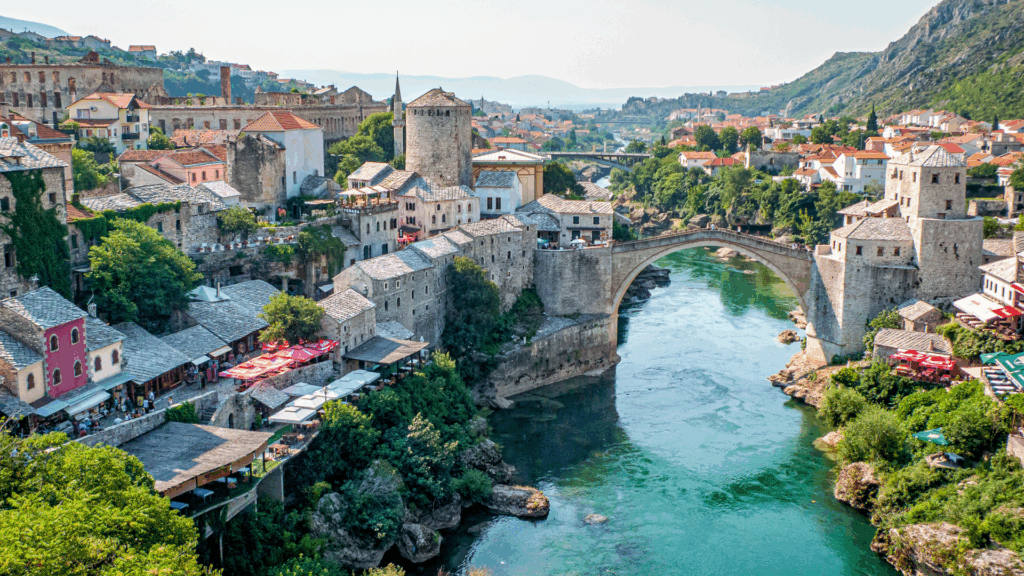
If you have an extra day in Sarajevo, consider taking a guided day tour on Day 3 or 4 to explore more of Bosnia and Herzegovina. Two popular options are Mostar and Srebrenica.
Option 1 – Mostar and Herzegovina Highlights
Mostar is the most popular day tour from Sarajevo, as it is close and offers stunning views along the way to the Herzegovina region. The city is famous for Stari Most, which was recently named the world’s most beautiful bridge by Time Out Worldwide. Many Tours will include a visit to other top Herzegovina locations, such as the Dervish Monastery in Blagaj, the medieval city of Počitelj, and the Kravica waterfalls.
Although it is an easy day trip from Sarajevo, I highly recommend spending a few days in Mostar rather than rushing through it. This way, you can see all the main sites while also having time to explore Mostar at your own pace.
Option 2 – Srebrenica Memorial Tour
If you are interested in learning more about Bosnia’s recent history, a guided tour of the Srebrenica Memorial Center is a harrowing, powerful, and important experience. In 1995, the town of Srebrenica and surrounding villages were the site of a horrific genocide that took the lives of more than 8000s men and boys. Visiting with a guide provides essential context and an inside look at some of the country’s darkest days.
The day will be emotional and likely full of tears, but many travelers find it critical in further understanding Bosnia and Herzegovina and its ongoing journey towards healing.
Getting Around
Sarajevo International Airport (SJJ) is located roughly 11km from the city center. There are a few ways to reach it from the center:
200E Airport Bus: The most direct public transport option. It runs from Baščaršija/Sebilj every 20-25 minutes from 6:25 am to 11 pm and usually costs 5 KM.
103/107 Trolleybus: With a stop near the Latin Bridge, the trolleybus will drop you off in the Dobrinja neighborhood. From there, the airport is a 15-minute walk through a quiet residential neighborhood, or you can take a taxi if you are strapped for time. The bus costs 2.20 KM and can be bought directly from the driver.
Taxi: Taking a taxi is the fastest way to reach the airport, as the ride is only 10-15 minutes from the center. The average cost of a ride is around 20 KM, and must be paid in cash. The best option is to call either Crveni (Red) Taxi or Žuti (Yellow) Taxi. I’ve listed their WhatsApp numbers below (it is best to call instead of texting):
Crveni Taxi: +387 33 760 600
Žuti Taxi: +387 33 663-555
Public Transport Tips
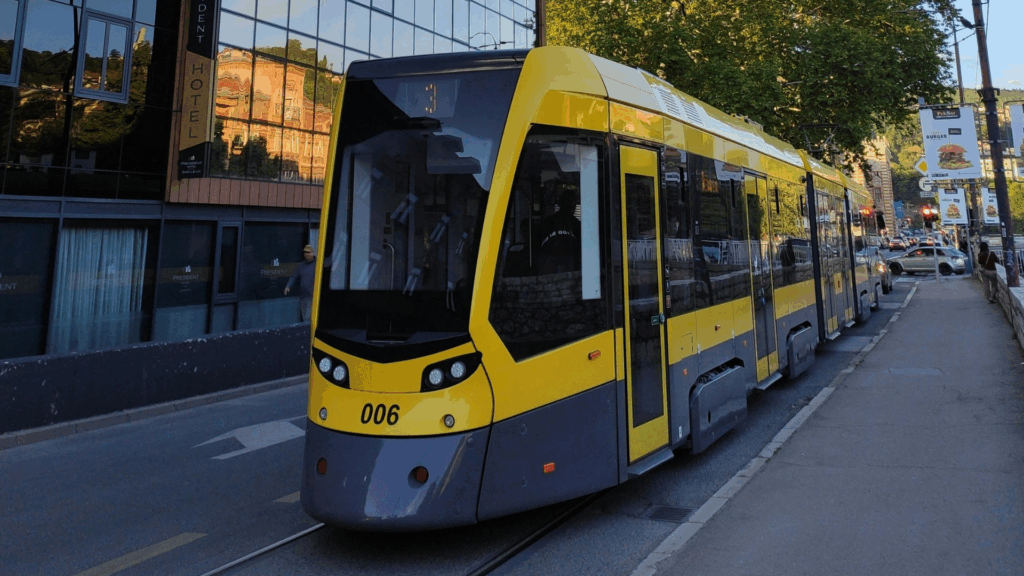
Sarajevo’s public transport is straightforward and easy to navigate. Trams and buses run frequently throughout the day, with average wait times of less than 10 minutes. The tram runs almost the entire length of the city and is very useful for reaching neighborhoods outside of the Old Town. Both a bus and tram ride cost 2.20 KM, and can be purchased from the driver.
Solo Tip: Keep cash on you and try to make change. It is best to buy a ticket to avoid a 30 KM fine if you’re caught without one by an inspector who usually works around Baščaršija and City Hall.
Solo Female Travel Tips
Safety at Night
Widely considered one of the safest capitals in Europe, Sarajevo’s Old Town and city center remain lively and well-lit into the evening, especially around Baščaršija and Ferhadija Street. However, it’s important to always use basic awareness, but walking alone at night in central areas generally feels comfortable and safe.
What to Wear
Sarajevo is relaxed but modest. Due to its many cultures, you’ll see a mix of styles from Western fashion to more conservative dress. There’s no strict dress code, but when visiting holy places like mosques, be respectful by covering your shoulders and knees, and bring a head scarf if you plan to go inside. One essential is a pair of comfortable walking shoes for the steep hills surrounding the city.
Local Etiquette
Bosnians are warm, direct, and willing to help tourists navigate the city or buy bus tickets. Don’t be surprised if a local comes up to speak with you; they are very friendly, love to chat, and often have interesting stories to share.
When entering a store, greet shopkeepers by saying “Zdravo” (hello) or “Dobar dan” (good day). A small “Hvala” (thank you) goes a long way.
Café culture is huge in Bosnia and Herzegovina. In fact, the country ranks 10th in annual coffee consumption. If you are having a Kafa Bosanka, make sure to slow down and enjoy it intentionally, in true ćejf fashion.
Scams
As mentioned earlier, scams in Sarajevo are rare. The most common issue is minor pickpocketing in busy tourist areas like Baščaršija. If you keep your bag zipped and avoid displaying valuables, you should be just fine.
Where to Stay
Best Neighborhoods
For first-time solo travelers, stay in:
• Baščaršija (Old Town): Historic, walkable, lively
• Ferhadija/Austro-Hungarian Quarter: Central and elegant
• Marijin Dvor: Modern, near museums and malls
Best Hostels and Social Stays
Balkan Han – Located just off the main road, Balkan Han is one of Sarajevo’s best hostels. With a common room and a large outdoor patio, guests have plenty of opportunities to socialize and make new friends. You may even have the chance of getting a full-size bed during your stay.
Guests receive a free welcome shot of rakija, a typical Balkan brandy, upon check-in and can order beer from the bar in the evenings. The hostel is affordable for any kind of budget.
Vagabond – This affordable hostel is easy to find and right in the center of all the action on Ferhadija, the city’s main walking street. The dorms are spacious, the common room is perfect for meeting other travelers, and the staff is extremely friendly and helpful.
Vagabond sells beer and sometimes hosts pub crawls during the high season. Unlike most other hostels around the city, they accept cards as payment.
Best Mid-Range Hotels
Hotel Sana – Located right near Baščaršija, travelers love Hotel Sana’s sleek and modern amenities. There is an on-site bar, and breakfast is included in the room rate.
Hotel Old Sarajevo – Also very close to Baščaršija, this clean and cozy hotel offers free toiletries and a coffee station in each room. Breakfast is an extra 20 KM, but it is very close to many restaurants and cafes.
Best Splurge Hotel
Swissotel – If you are in the mood to treat yourself, Swissotel is the place for you. This 5-star hotel is located right next to SCC and features amazing views of the Sarajevo hills. Amenities include a breakfast buffet, 2 restaurants, an indoor pool, and a world-class spa. Sites such as Baščaršija and the Latin Bridge can easily be reached by tram.
What and Where to Eat
What to Eat
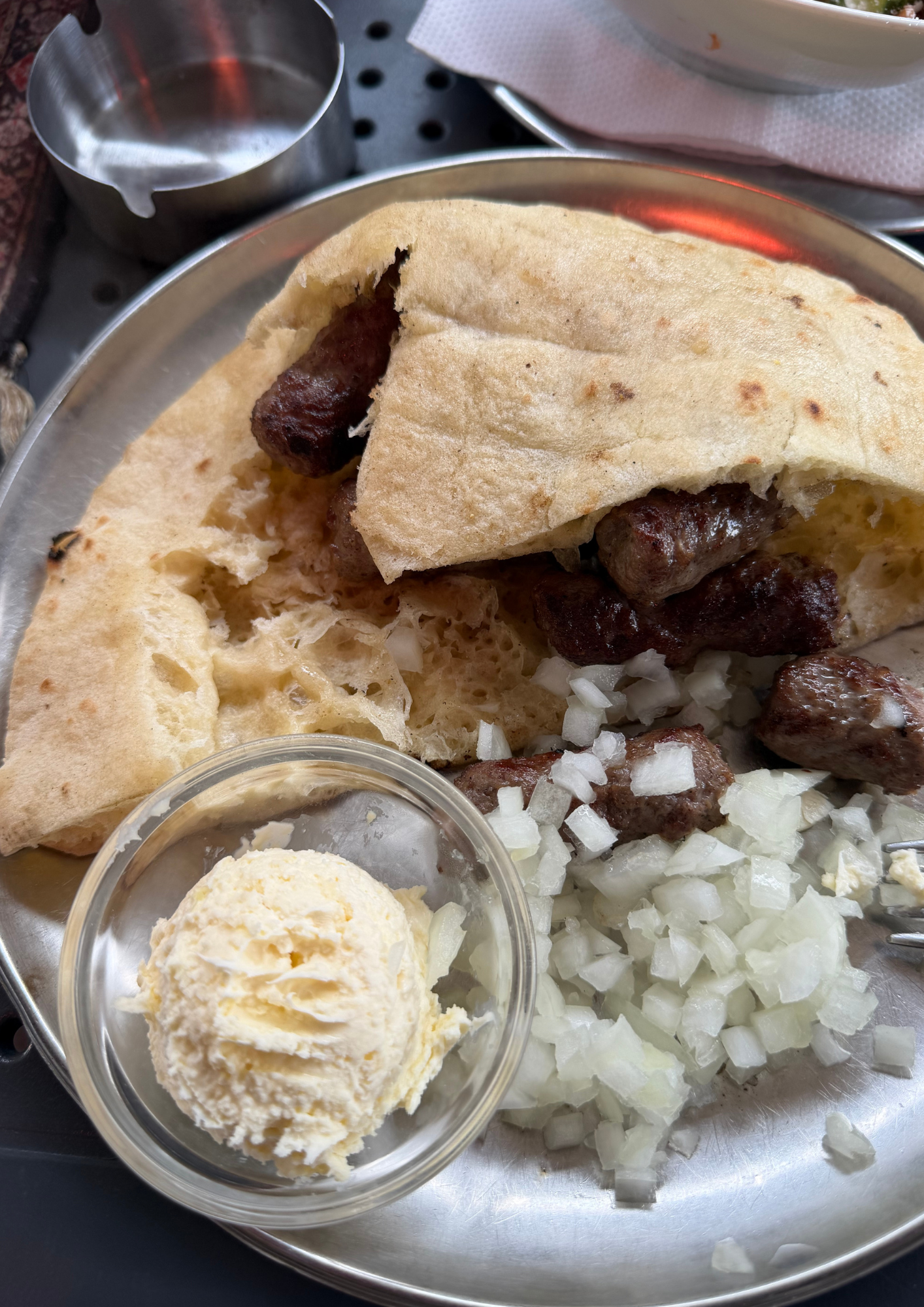
Ćevapi – Known as the national dish of Bosnia and Herzegovina, these meat sticks vary throughout the country. Sarajevski ćevapi is served with raw onions, lapinja bread, and kajmak, a popular local cream cheese.
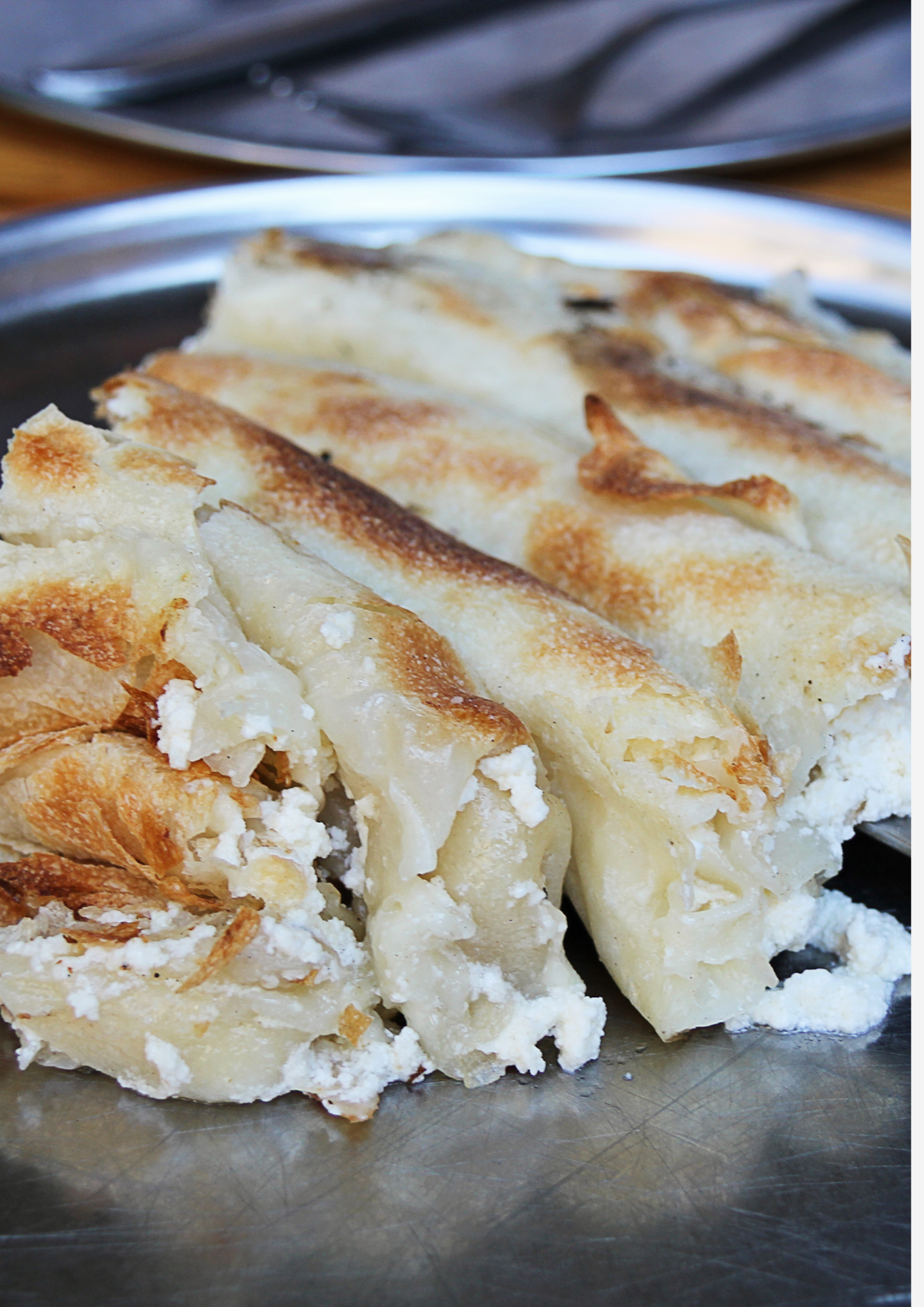
Burek – A family of flaky pastry stuffed with meat, veggies, cheese, or potatoes. In Bosnia, each has a different name based on the filling:
Burek: With meat
Sirnica: With cheese
Zeljanica: With cheese and Spinach
Krompiruša: With Potato
Sarma – Minced meat and rice served in sour cabbage rolls.
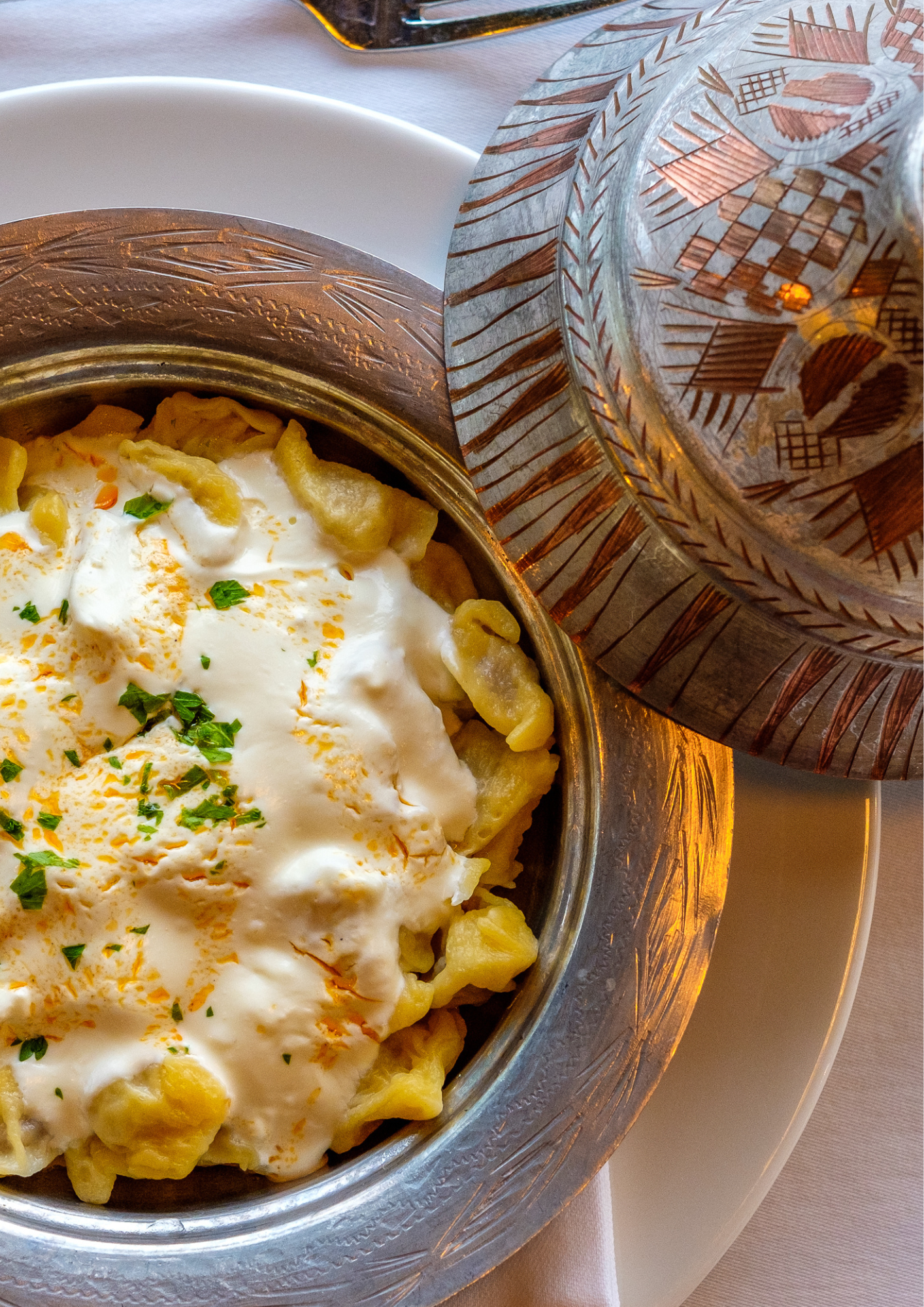
Klepe – Meat or cheese-filled dumplings served with sour cream and a paprika sauce. They are often described as a mix between Turkish manti and Italian ravioli.
Begova Čorba (Bey’s Soup) – A delicious creamy soup prepared with chicken and okra, traditionally eaten as an appetizer.
Bosanski Lonac – A traditional stew made of either beef or lamb and vegetables. No Bosnaski Lonac is the same, as every family and region has their own recipe, often changing with the season.
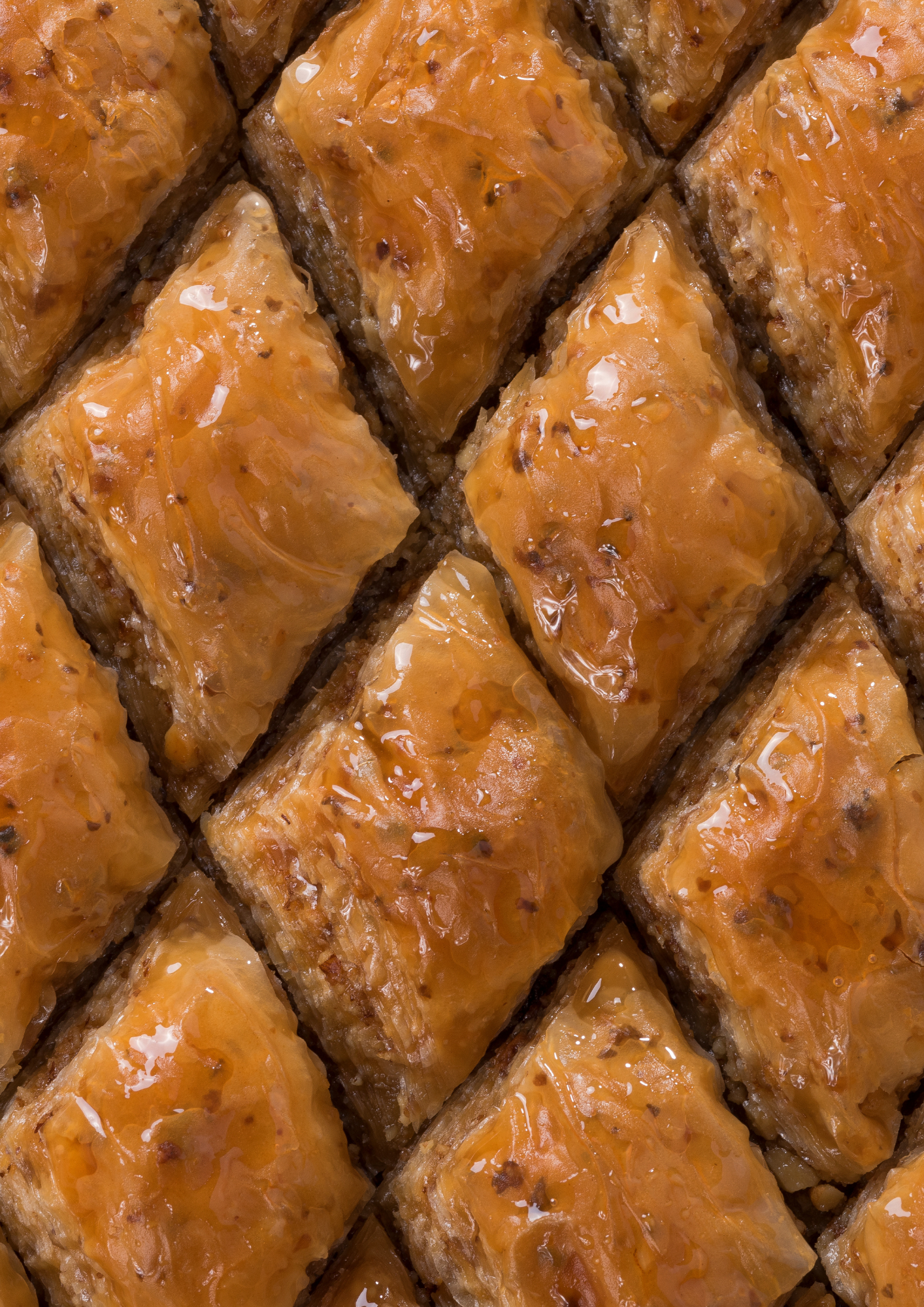
Baklava – A popular dessert all over the Balkans, with the Bosnian version made almost exclusively with walnuts.
Tufanija – A poached apple stuffed with walnuts served with a thick sugar syrup and whipped cream. WARNING: It’s VERY sweet!
Local Restaurant Types and Recommendations
When visiting Sarajevo, it is important to know that there are several types of traditional restaurants across Bosnia and Herzegovina.
Aščinica
A cafeteria-style restaurant serving traditional and ready-made meals.
Recommendations:
ASDŽ – A delicious option, but a little on the pricier side. Most dishes tend to sell out before 6 PM, so make sure to go earlier in the day.
Ćevabdžinica
A restaurant that specializes in ćevapi, the national dish of Bosnia and Herzegovina. They usually come in three portion sizes – 5, 10, or 15 pieces.
Recommendations:
Nune – My favorite place for ćevapi, located off of Ferhadija in a quaint alley.
Željo – Even with three locations in Old Town, it still might be hard to find a spot at this popular establishment, named after one of Sarajevo’s football teams, FK Željezničar.
Petica Ferhatović – Opened in 1984 during the Winter Olympic Games.
Buregdžinica
A fast-food shop that serves different kinds of burek, like meat, chees,e and potatoes (Bosnians are very particular about what they call each version. For example, burek is reserved for meat, while cheese-filled pastries are called sirnica.)
Recommendations:
Bećiri – My absolute favorite buregdžinica, with amazing Krompiruśa (potato-filled burek) and the sweetest staff.
Saraj Bosna – Located in the heart of Baščaršija and loved by locals.
Sač – Also located right in the heart of Old Town. The name refers to the dome used to cook dishes over coals.
National Restaurant
A traditional sit-down restaurant with a true Bosnian vibe and fresh ingredients.
Recommendations:
Nanina Kuhinja – Great for vegetarians and meat-eaters alike!
Avlija – A little bit out of the center, but super cozy and very worth it.
Dženita – Right in the heart of Old Town, with delicious dishes.
Kafić
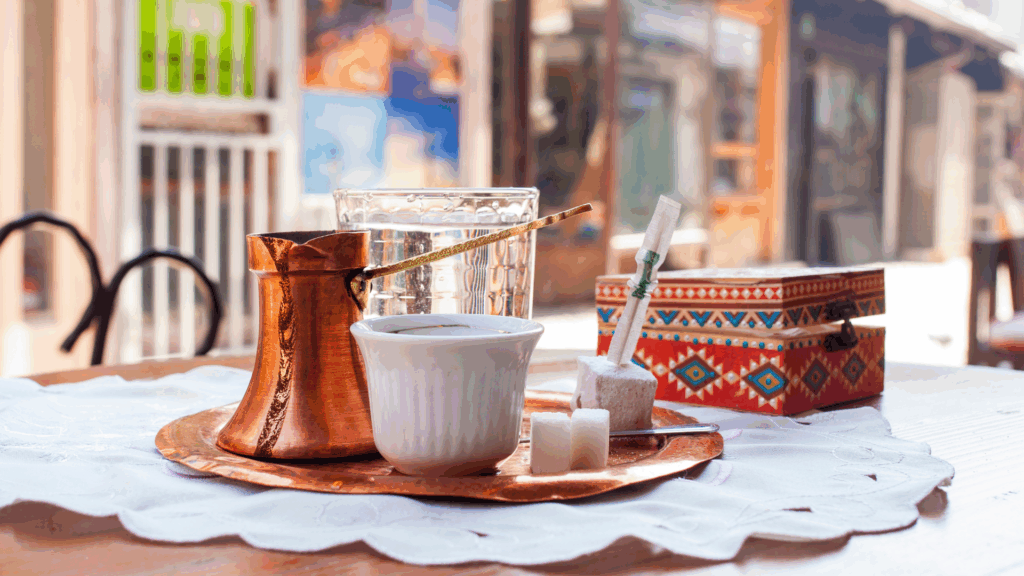
Cafes where traditional Bosnian coffee culture takes place. Here, people meet with friends and colleagues, study, or work.
Recommendations:
Ministry of Ćejf – One of the most popular places to try Bosnian coffee. There are two locations, but the one just up the street from Baščaršija is a favorite for its cozy decor, great views, and friendly kittens that cuddle up with customers.
Caffe Bar Andar – A shoe shop turned cafe, Andar is located on the main walking street of Old Town. Here you can people-watch while enjoying a coffee with traditional cakes like kadaif and baklava.
Franz & Sophie World of Tea – An Austro-Hungarian-style tea house with over 100 different kinds of tea. Adnan, the owner, is very knowledgeable about every tea he carries and can help you find your new favorite. They even have high-quality matcha if you are a matcha drinker like me.
Kamarija Point of View – Not far from the Yellow Fortress, Kamarija is a small, hidden cafe in the forest with panoramic city views. It is only a five-minute walk from Old Town.
Other Restaurants
Not traditional, but highly recommended!
Recommendations:
Blind Tiger – Has an extensive cocktail and burger menu where locals and tourists gather, plus it’s one of the only places in town that serves pork.
City View Sarajevo – Located in the hilly Alifakovac neighborhood, just a quick walk from City Hall, you can enjoy a spectacular view of Sarajevo as you dine on creative brunch dishes.
Žeks Döner – With a few locations around the city, many locals swear by their kebabs as the best in town.
Crvena Jabuka Gastro Market – I prefer to call it ‘Bosnian Whole Foods’ as it has a similar premise: a huge prepared food section, complete with salad, soup, antipasti, and dessert bars.
Upstairs at the Marindvor location close to SCC, you’ll find an additional cafe, pizza stand, sushi station, and burger bar, as well as an indoor/outdoor wine bar. Their terrace is the perfect place to sit and enjoy city views while eating freshly prepared food.
Budget Breakdown
Based on an average low-cost trip
Accommodation: $15 to $20 per person
Food: Anywhere from $15 to $40, depending on the type of restaurant.
Transport: Less than $5 (More if you plan to take a taxi to/from the airport)
Activities: Around $30
Who This Trip Is Perfect For
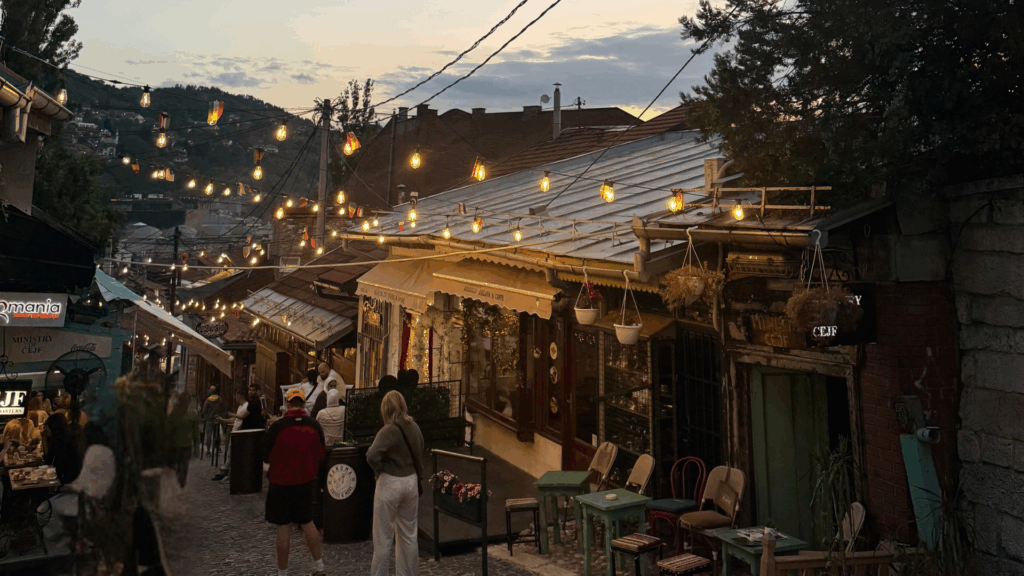
My specially curated Sarajevo itinerary is perfect for those looking for a destination that feels welcoming, affordable, and easy to navigate. Whether you’re embarking on your first solo trip or are a seasoned veteran who desires a slow-paced and meaningful trip.
If you love café culture, layered history, scenic viewpoints, and destinations that reward wandering, Sarajevo will feel like home surprisingly quickly.
Despite the city’s emotional history, Sarajevo does not overwhelm you; instead inviting you in slowly. It encourages long coffee breaks, unplanned conversations, and quiet moments of reflection. There is an indescribable comfort that overcomes you when Sarajevo’s streets begin to feel familiar and welcoming.
As one of Europe’s best cities to solo travel, Sarajevo is the kind of place that stays with you long after you leave.